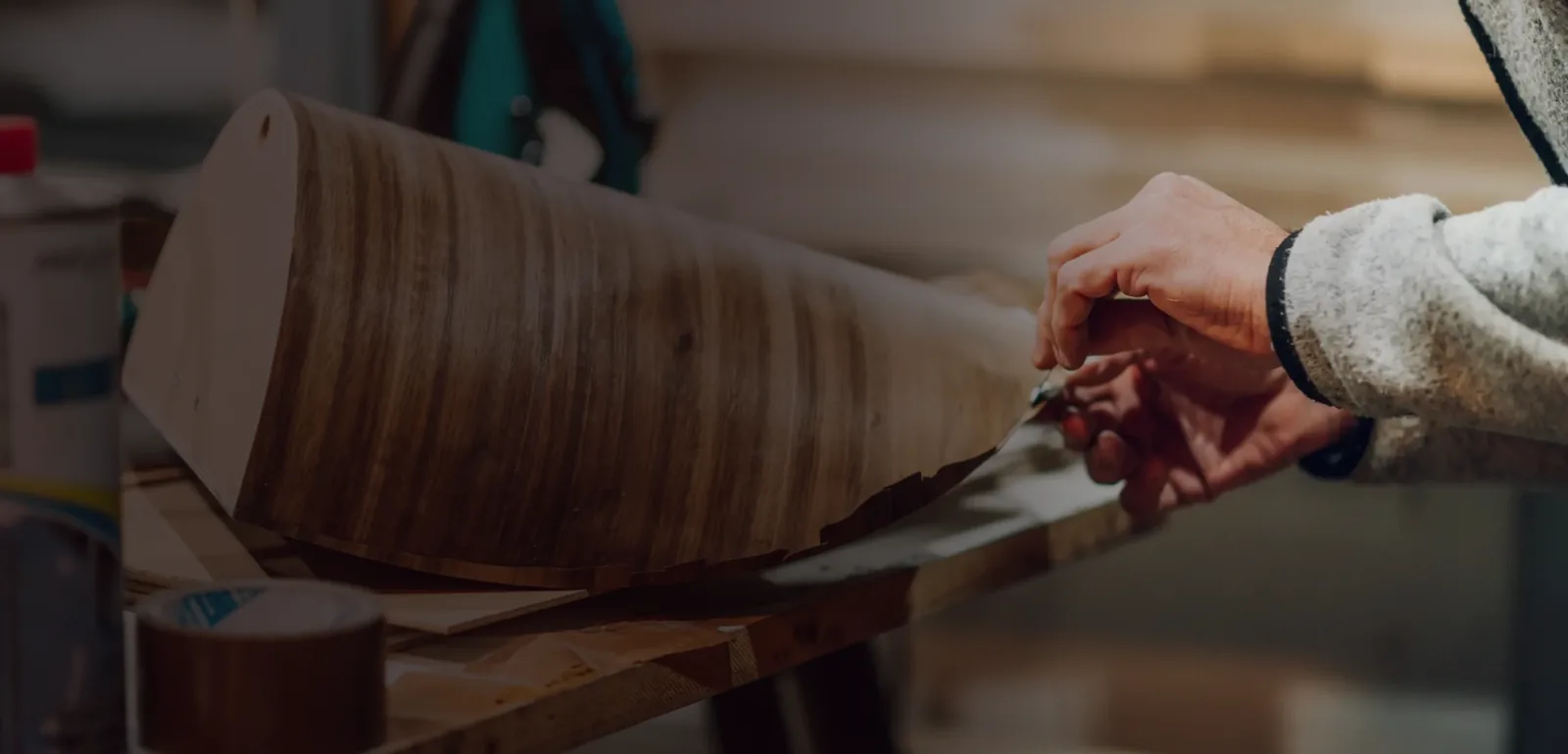
Frame: kiln-dried solid beech primary load-bearing structure combined with furniture-grade 13-ply birch plywood, typically 15–18 mm, at the curved shell, back and shaped structural sections. Primary joints use glued mortise-and-tenon, dowelled or loose-tenon construction with hardwood corner reinforcement at highly loaded connections.
Seat suspension: premium 60–80 mm woven elastic webbing with high natural-rubber content, cross-laced longitudinally and transversely, individually tensioned and mechanically fixed to the frame for resilient support and controlled deflection.
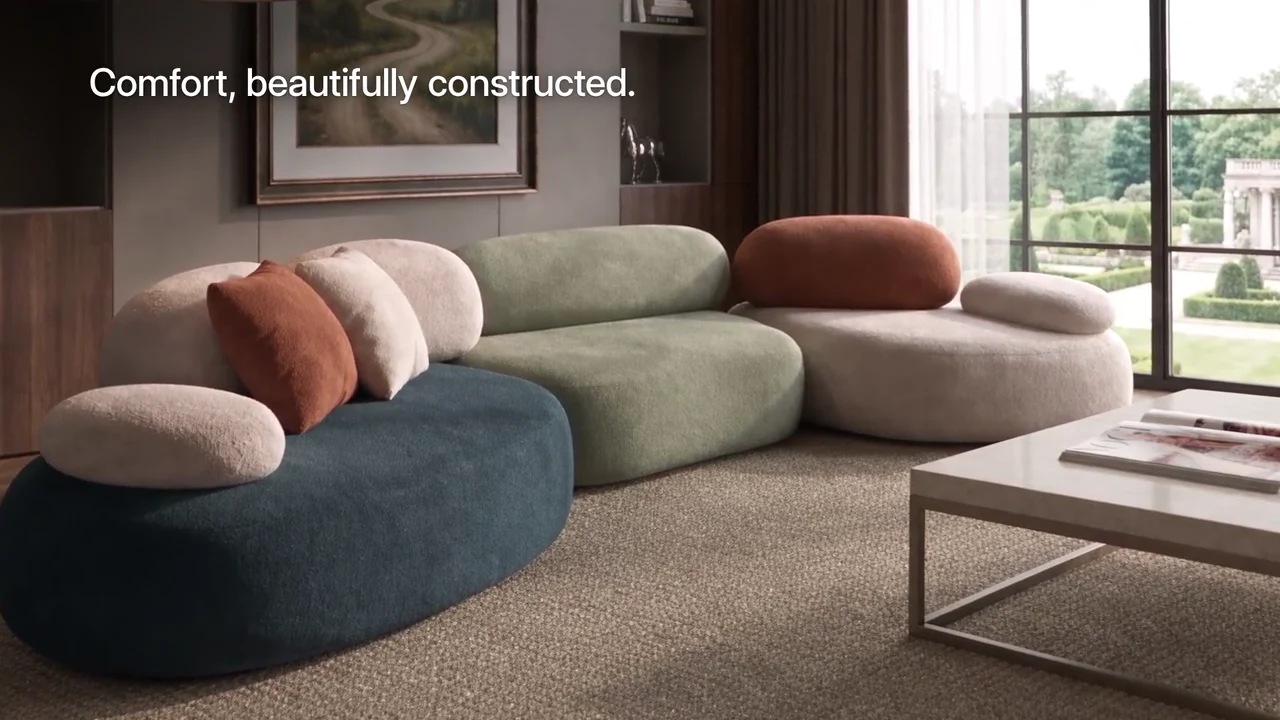
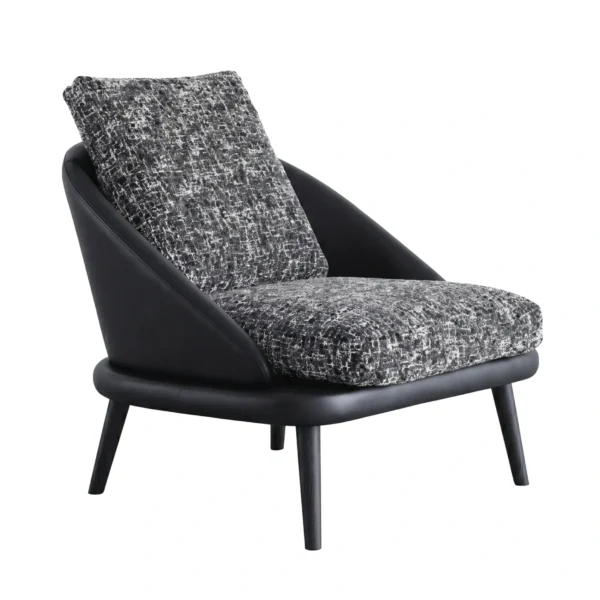
Seat cushioning: multi-density high-resilience open-cell polyurethane construction with approximately 42–50 kg/m³ structural seat foam and a 32–38 kg/m³ comfort layer. Loose cushions use resilient HR foam cores surrounded by baffled feather/down or feather/fiber envelopes to provide a softer surface while controlling fill migration and maintaining shape.
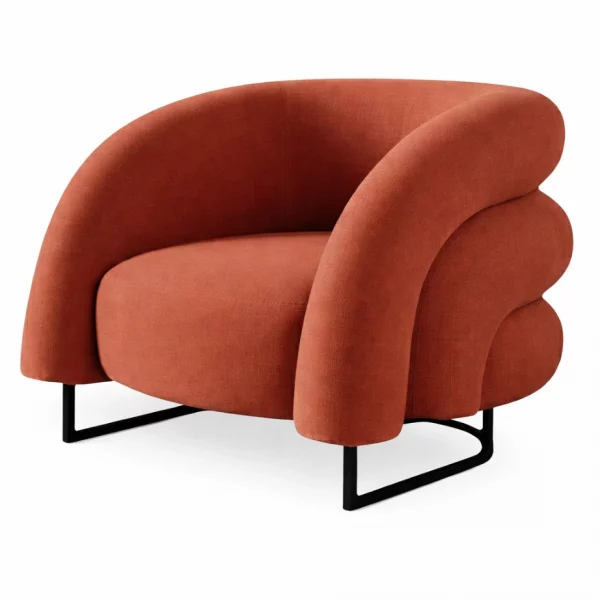
Back and side cushioning: shaped 28–35 kg/m³ HR polyurethane foam supports the enveloping shell, with approximately 200–350 g/m² upholstery batting beneath fixed upholstered surfaces to soften transitions and preserve the rounded profile.
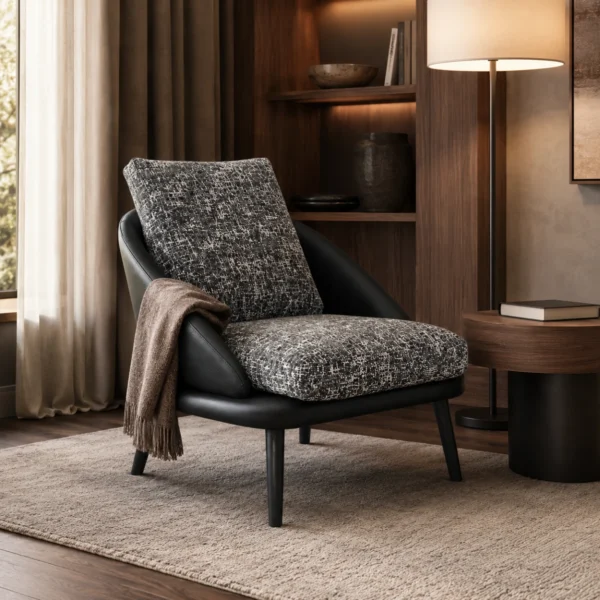
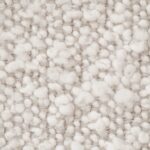
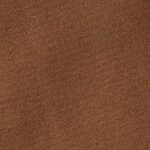
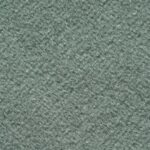
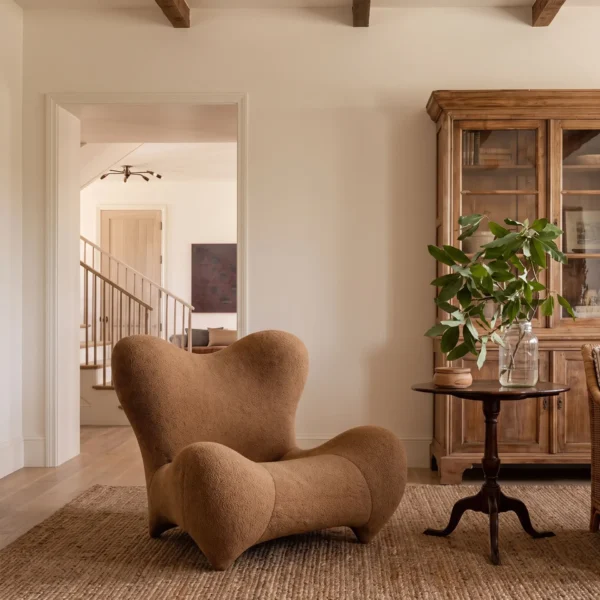
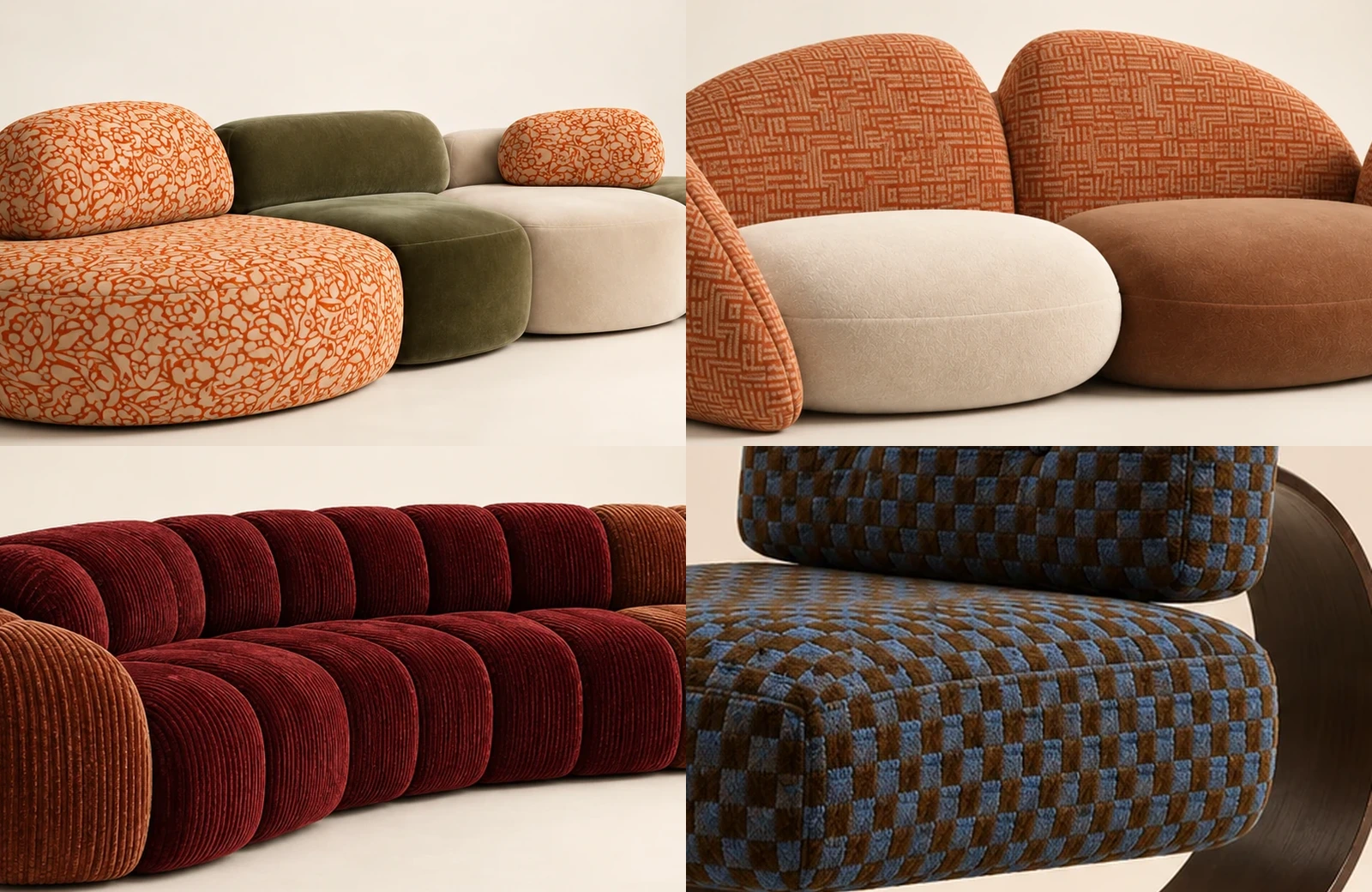
Upholstery: dual-material upholstery construction allows the inner seating surfaces and outer shell to be specified in contrasting or tonal finishes. Options include premium wool, wool-bouclé, linen blend, mohair, velvet and performance textile. Leather configurations use full-grain or premium top-grain bovine leather, approximately 1.2–1.4 mm for lounge-chair applications.
Ottoman: matching structural timber frame with resilient support, multi-density HR foam cushioning and the same inner/outer upholstery specification as the chair, creating a coordinated extension of the seating composition.
Floor interface: concealed structural support maintains the low-profile appearance of both pieces. Replaceable nylon, HDPE or felt glides protect finished flooring











 GAROFANO / EDITIONS