Choosing and styling one well is one of the highest-impact moves in residential design. Get the placement wrong and the room feels blocked. Get the material wrong and you're replacing it in five years. Get both right and the room practically arranges itself around it.
This guide covers 22 specific sectional living room ideas organized around four areas: layout and placement, style and material, small-space strategies, and finishing touches. Whether you're working with a large open-plan room or a compact apartment, there's a workable idea here.
Key Takeaways
- Sectional placement — floated, cornered, or used as a zone divider — determines traffic flow more than any other furniture decision
- Color and material shape both first impressions and long-term performance
- In small rooms, leg height and arm profile matter as much as overall footprint
- A fireplace arrangement works best when visual weight is balanced on both sides
- Layered accessories — rug, pillows, console — are what turn functional seating into a finished room
Sectional Layout and Placement Ideas
Placement is the first decision — and the most consequential. A well-placed sectional creates natural traffic flow, defines zones, and gives the room a sense of intention. The following eight ideas cover the full range of placement approaches.
Float It Mid-Room
Pulling a sectional away from the walls creates an anchoring focal point and improves circulation on all sides. House Beautiful notes that floating furniture opens pathways rather than pressing every piece against the perimeter — producing a room that reads as deliberately arranged, not just filled.
The practical issue with floating a sectional: the exposed back. Solve it with a narrow console table placed directly behind the sofa. It finishes the silhouette, adds surface space for plants or lighting, and anchors the piece visually from every angle.
Anchor It in the Corner
An L-shaped sectional placed into a corner is one of the most natural fits for a rectangular living room. It maximizes seating while keeping the floor open in front, and the corner handles two sides of the perimeter without requiring additional furniture to do so.
Architectural Digest describes the L-shape as well suited to carving out conversation space in a corner arrangement. Leave a small gap between the sofa's sides and the walls — flush placement seals off the room and restricts air movement through the space.
Face the View or Natural Light
Position the sectional opposite a window or glass door so occupants face outward. This keeps the window unobstructed for maximum natural light and connects the room to its exterior, a move that pays off most when there's a strong landscape, water, or city view beyond the glass.
Divide an Open-Plan Space
In open-plan homes, place the sectional perpendicular to the main wall with its back facing the kitchen or dining area. This creates a clear visual boundary between zones without walls or screens. House Beautiful describes this approach as "micro-zoning" — creating functional pockets while maintaining visual continuity across the space.
Because the sofa's back becomes a visible design element in this configuration, silhouette quality and upholstery finish become critical choices.
Size Up for Large Rooms
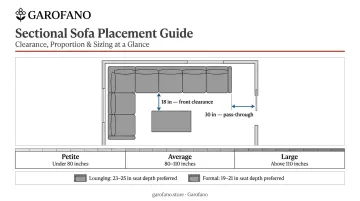
Scale is proportional: a large living room with a small sectional will always look unfinished. Architectural Digest categorizes sectionals as petite (under 80 inches), average (80–110 inches), and large (above 110 inches) — a practical framework for matching scale to room size.
In a generous room, an oversized sectional feels grounded and considered. An undersized piece in the same space looks like it wandered in from another room.
Create a Reading Nook Setup
A compact sectional fitted into a bay window alcove, an architectural recess, or a dedicated corner nook creates a room-within-a-room quality. Layer in cushions, a side table, and a floor lamp, and the corner becomes a distinct destination with its own atmosphere.
Work Around Architectural Features and Built-Ins
Rooms with built-in shelving, exposed beams, or structural columns need careful sectional orientation. The goal: complement rather than compete with existing features.
When the architecture is already a strong visual element, keep the sectional's color and silhouette relatively quiet. A neutral upholstered piece in a room with floor-to-ceiling built-ins lets the architecture lead.
Position Opposite the TV or Entertainment Wall
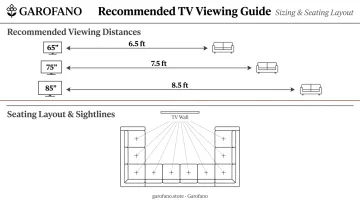
The primary seating surface should face the screen at a comfortable viewing angle. Samsung's guidance ties viewing distance directly to screen size:
- 65-inch TV: approximately 6.5 feet from the screen
- 75-inch TV: approximately 7.5 feet from the screen
- 85-inch TV: approximately 8.5 feet from the screen
A U-shaped sectional configuration works especially well for dedicated media rooms, ensuring every seat has a direct, unobstructed sightline.
Sectional Style Ideas: Color, Material, and Shape
The material, color, and silhouette of a sectional communicate the room's design identity more clearly than any other piece. These eight ideas cover the full range from quietly sophisticated to boldly expressive.
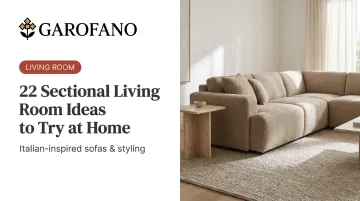
Go Neutral With Beige or Greige
Beige and greige (grey-beige) are the most enduringly versatile sectional colors — compatible with warm wood tones, cool stone surfaces, and any wall color. A neutral sectional functions as a blank canvas: throw pillows, rugs, and artwork carry seasonal or stylistic updates without requiring a sofa replacement.
Try a Bold Statement Color
A sectional in a deep jewel tone — forest green, rich teal, dusty terracotta, or soft blush — becomes the room's primary color anchor. Keep surrounding walls, rugs, and large accessories more muted so the sectional reads clearly as the focal point.
Elle Decor documents an emerging "highlighter sofa" trend in acid yellow and lime green for those willing to go further, supported by named designers and residential examples. Garofano's Alpheios sofa, available in a terracotta-toned textured finish and refined velvet, demonstrates how a warmer jewel-adjacent color works in practice.
Embrace Leather for Edge and Contrast
A leather sectional introduces tactile and visual contrast that elevates a room's atmosphere. Leather is highly durable, easy to wipe after spills, and develops character with age — making it as practical as it is striking.
The key to preventing leather from reading as cold or corporate: pair smooth leather with softening textures. Linen throws, bouclé cushions, and a shaggy rug balance the material contrast effectively.
Choose Classic Gray for Timeless Versatility
Mid-tone gray works with both cool accents (navy, black, white) and warmer ones (blush, mustard, brass). For gray sectionals, the arm style, seat height, and cushion depth matter as much as the shade. A well-proportioned silhouette is what separates contemporary and considered from generic.
Opt for a Clean White Sectional
A white sectional makes a room feel larger and more open — best suited to low-traffic rooms or situations where performance fabric is selected. White pairs naturally with cream, ivory, and soft warm neutrals for a tonal, elevated composition.
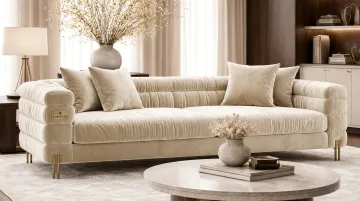
Go Bold With Velvet
A velvet-upholstered sectional adds richness and depth that flat-weave fabrics can't replicate. Velvet catches and shifts light in a way that makes it ideal for rooms designed to hold attention. Metal accents — brass, matte black, or brushed gold — sharpen the look without competing with the fabric's texture.
Try a Monochrome Approach
Select an upholstery color that sits close to the dominant wall or floor tone, then build depth through tonal layering:
- Slightly lighter or darker shades of the same color family across pillows and throws
- Rugs in a tone-on-tone weave that adds texture without contrast
- A single accent in a complementary finish — matte ceramic or natural linen — to prevent flatness
The result is an immersive atmosphere without the visual noise of strong contrast.
Experiment With Unexpected Shapes
Salone del Mobile identifies plush curvy seating as "one of the most distinctive trends in contemporary design," documenting sofas with modular configurations and curved fluid forms. Arc-shaped and geometric modular sectionals soften angular rooms and create a sculptural, conversation-piece quality — best suited to eclectic, contemporary, or maximalist spaces.
Small Space Tricks and Finishing Touches
Small rooms don't forgive careless choices — but the right sectional decisions can make a compact space feel considered and open rather than crowded. These finishing principles apply whether you're working with 400 square feet or a sprawling open-plan layout.
Choose a Slim-Profile Sectional With Exposed Legs
A sectional with raised, tapered legs visually lifts the piece off the floor, revealing floor space beneath and making the room read as more open. House Beautiful recommends slim arms and spindly legs to give compact-room furniture visual lightness — the principle applies directly to sectional selection.
A tighter arm profile and shorter overall depth make the same case: less visual bulk, more breathing room — and a cleaner transition to the spacing decisions below.
Leave Breathing Room Around All Sides
Pushing a sectional flush against two walls simultaneously tends to make a small room feel tighter, not more efficient. Crate & Barrel specifies 18 inches of clearance between the sofa's front edge and a coffee table, and at least 30 inches where people actively pass through — useful benchmarks for planning circulation in any room size.
Use the Sectional as a Zone Divider in a Studio or Combined Space
In a studio apartment or open living-dining layout, a sectional placed with its back facing the dining or kitchen zone creates a defined lounge area without any physical partition. In this configuration, the sofa's back silhouette is fully visible, so upholstery quality and arm profile become choices worth thinking through carefully.
Layer Throw Pillows and Throws With Intention
Crate & Barrel recommends 7–9 throw pillows for a sectional (versus 3–5 for a standard sofa), in a 12–20 inch size range. The reliable starting combination:
- One solid-color pillow in the sectional's accent tone
- One with a geometric or abstract pattern
- One in a tactile fabric (bouclé, velvet, or linen)

Vary sizes and pattern scales. A casually draped throw on one section adds warmth without looking staged.
Anchor the Arrangement With a Statement Rug
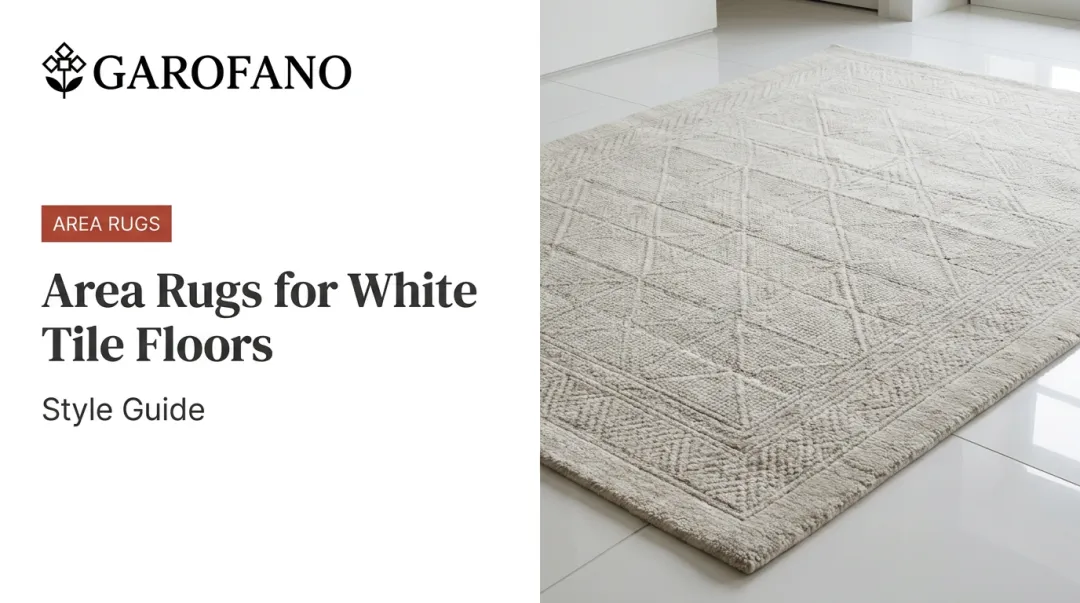
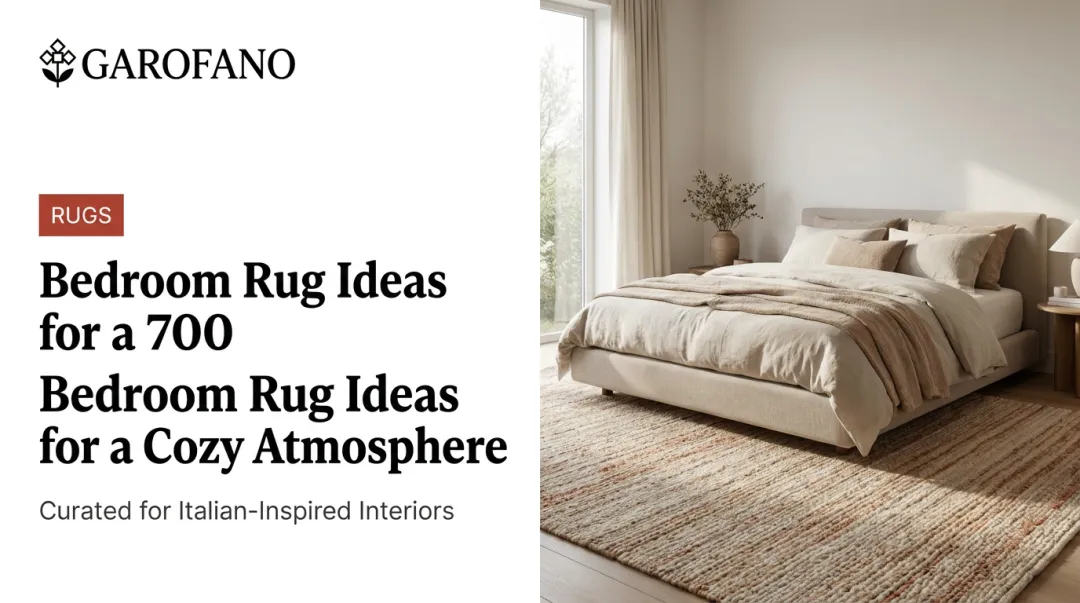
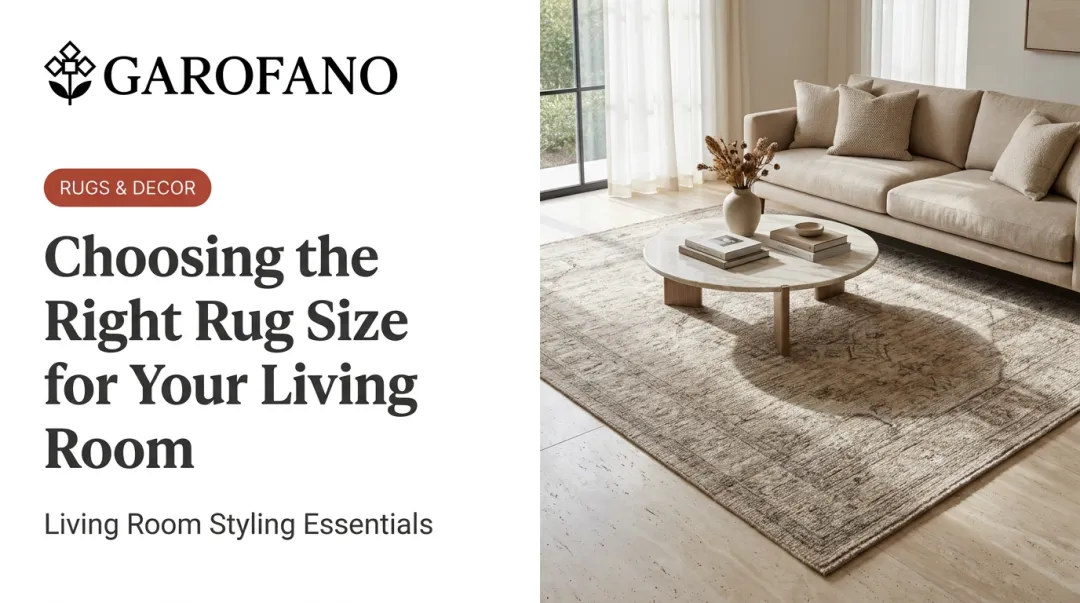
An area rug placed beneath the sectional defines the seating zone and visually connects the furniture grouping. At minimum, the front legs of sofas and chairs should sit on the rug; 9 × 12 feet is a practical starting size for most sectional and chaise layouts.
Choose a rug texture and pattern that complements the sectional's upholstery rather than competing with it.
Arrange the Sectional Around a Fireplace
Three approaches work well, each with a different result:
- Directly opposite the fireplace — clean, straightforward layout with a clear focal point
- U-shaped configuration — main section faces the fire, side pieces flank it for a symmetrical, formal composition
- Asymmetric L-shape alongside the fireplace — more relaxed, contemporary arrangement
In all three, accent chairs or stools on the opposite side help balance visual weight. Always consult your fireplace appliance manual for model-specific clearance requirements before finalizing placement.
How to Choose the Right Sectional for Your Living Room
Before purchasing, three practical considerations deserve attention before aesthetics enter the conversation:
Room Dimensions and Delivery Access
Measure the full path the sofa must travel — doorways, hallways, stairwells, ceiling fixtures, stair banisters, and any tight turns. For urban deliveries, also confirm elevator door width and interior cab dimensions. The sectional's diagonal depth must clear every doorway on the route — not just the front entrance.
Scale Relative to the Room
A sectional's width and depth should fill the seating zone without crowding it. Key sizing benchmarks:
- At least 18 inches of clearance between the sectional's front edge and the coffee table
- At least 30 inches of clearance where traffic passes through
- Seat depth suited to primary use — deeper for lounging and movie nights, shallower for more formal postures
- Chaise placement (left-facing or right-facing) based on how traffic naturally moves through the room
Upholstery for Daily Use
Fabric durability, cleanability, and long-term appearance retention all deserve weight alongside aesthetics. A material that looks exceptional on day one but pills, stains, or fades within a year is a poor long-term investment — regardless of how it photographed in the showroom.
Once the practical boxes are checked, silhouette and materiality determine whether a sectional ages well or starts to look dated within a few seasons. Garofano's modular sectional collection — including the Laconia sofa in warm cognac leather — approaches this through proportional restraint and material selection built for longevity, not just day-one impact.
Frequently Asked Questions
What is the best sectional configuration for a small living room?
An L-shaped sectional with a slim profile and exposed legs is the most practical choice. Place it in the corner with clearance on both sides to avoid a closed-in feeling, and prioritize a shorter seat depth to preserve floor space in front.
Should I float a sectional in the middle of the room or push it against the wall?
Floating a sectional mid-room creates a more intentional, better-flowing layout — but against-wall placement works better in smaller rooms where floor space is limited. Place a console table directly behind a floating sectional to finish the exposed back cleanly.
How do I choose the right size sectional for my living room?
Allow at least 18 inches between the sofa's front edge and the coffee table, plus 30 inches at every pass-through. For sizing reference: petite sectionals run under 80 inches, average 80–110 inches, and large above 110 inches.
What is the most versatile color for a living room sectional?
Neutral tones — beige, greige, or mid-gray — are the most adaptable long-term choices. They work with both warm and cool accent palettes and allow seasonal accessory updates without requiring a sofa replacement.
How many throw pillows should go on a sectional?
Crate & Barrel recommends 7–9 pillows for a full-size sectional, in a 12–20 inch size range. A reliable combination: one bold pattern, one solid, and one textural fabric pillow — varied in size and scale across the arrangement.
Can a sectional work well in a living room that has a fireplace?
Sectionals work well with fireplaces when the layout achieves visual balance. Place the sectional directly opposite the fireplace, in a U-shape around it, or in an asymmetric L-shape alongside it, adding accent chairs to anchor the composition. Always verify clearance requirements in your appliance manual.